Twickenham rubbish removal guide for TW1 homeowners
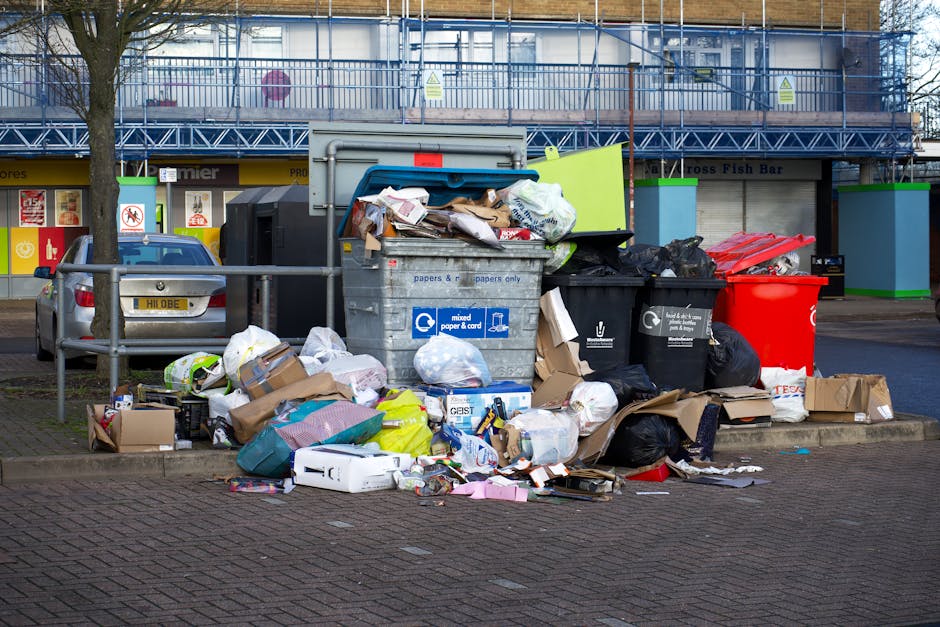
If you live in TW1, rubbish has a habit of building up in the most ordinary ways: a broken wardrobe in the hallway, hedge cuttings piled behind the shed, old tiles after a small DIY job, or boxes from a loft you finally opened on a rainy Saturday. This Twickenham rubbish removal guide for TW1 homeowners is here to make the whole process feel a lot less messy and a lot more manageable.
The aim is simple. You should be able to decide what needs clearing, what should be kept separate, what can be recycled, and which disposal route makes sense for your home. Whether you are clearing a single bulky item or dealing with a full house, it helps to know the practical steps before the dust starts flying. Let's face it, nobody wants to spend a weekend guessing where everything should go.
This guide covers how rubbish removal works in Twickenham, the most common homeowner situations, what to watch out for, and how to choose the right service without overcomplicating things. A little planning goes a long way.
Why Twickenham rubbish removal matters for TW1 homeowners
Homeowners in TW1 often deal with a mix of older properties, compact access, side returns, lofts, basements, rear gardens, and the usual storage that quietly multiplies over time. That combination makes rubbish removal feel different from a simple bin-day job. One bag is easy. Twelve bags, a broken bed frame, and a stack of damp garden waste? That is a different story entirely.
Rubbish removal matters because clutter affects how your home functions. It can block rooms you want to use, make renovation work harder, create trip hazards, and add pressure when you are trying to prepare a sale, rent out a property, or just get your space back. People often wait until the pile becomes annoying enough to tackle, and by then it has usually become a bigger job than expected. Fair enough. That is very human.
There is also the recycling side. Modern rubbish removal is not just about throwing things away. Good practice should separate reusable, recyclable, and general waste where possible. If you are clearing furniture, garden cuttings, or builders' debris, a considered approach keeps more material out of landfill and makes the job feel cleaner from the start. For homeowners who care about that balance, the broader approach described on the site's recycling and sustainability page is worth keeping in mind.
In local terms, TW1 homes often need a service that can handle awkward items, narrow paths, or shared access without turning the whole process into a drama. That is why it helps to think beyond "how do I get this out?" and ask "how do I clear this properly, safely, and without making extra work for myself?"
How Twickenham rubbish removal guide for TW1 homeowners works
At its simplest, rubbish removal is the process of collecting unwanted items from your property and taking them away for responsible sorting, disposal, and recycling. For homeowners, that can mean anything from a few bags after a declutter to a full property clearance after a move or refurbishment.
Most jobs follow a similar pattern. First, you identify what needs removing. Then you decide whether it is general rubbish, bulky household waste, garden waste, furniture, or something from a DIY project. After that, you arrange a collection or clearance, and the waste is loaded, taken away, and processed appropriately. Simple on paper. Less simple when a sofa will not fit through a door and somebody has to pivot it at a very odd angle. We have all seen that moment.
For many homeowners, the practical difference lies in the type of service they need. A general waste removal service suits mixed non-hazardous rubbish. If the job is tied to a refit or knock-through, builders waste clearance may be more suitable. If the clutter is mostly household items, a home clearance or house clearance route can be more efficient. For lofts, garages, and furniture-heavy jobs, the more specific services are often the better fit.
It also helps to think in terms of access. Can waste be carried from the front, side, or rear? Is there a flight of stairs? Is parking awkward? In Twickenham, those little details matter because they affect time, labour, and the way a job is planned. Good rubbish removal is really logistics with muddy shoes.
Key benefits and practical advantages
The obvious benefit is space. Clear the junk and suddenly the room feels bigger, lighter, and more usable. The less obvious benefit is momentum. Once one area is clear, the rest of the house tends to follow. A spare room becomes an office again. The garage stops being a storage graveyard. The garden starts to look like a garden, not a pile of old timber and half-finished ideas.
There is also a safety angle. Piles of waste can attract moisture, pests, mouldy odours, or accidental damage. In a loft, heavy clutter may create strain on flooring. In a hallway, stacked bags are just waiting to become a nuisance. Removing waste properly reduces those risks quickly, which is especially helpful if you have children, older relatives, or pets moving around the property.
Another major advantage is time. Sorting, bagging, loading, finding transport, unloading at the correct facility, and cleaning up afterwards can swallow an entire day or more. A homeowner usually wants the result, not the logistical headache. That is why many people prefer a service that can handle the full process rather than doing multiple tip runs themselves.
Here is the practical bit that often gets overlooked: a professional-style clearance approach can also make better use of recycling routes. Items such as wood, metal, cardboard, some textiles, and green waste often need separating. That is good for the environment, yes, but it also makes the whole clear-out feel more organised and less chaotic. A tidy start tends to produce a tidier finish.
| Benefit | What it means for you | Typical homeowner scenario |
|---|---|---|
| More usable space | Rooms, lofts, and gardens become practical again | Turning a cluttered spare room back into a nursery or office |
| Less stress | You avoid coordinating transport, lifting, and disposal | Clearing after a tenancy change or family move |
| Safer property | Reduced trip hazards and fewer blocked access routes | Removing stacked bags from a narrow staircase |
| Better recycling | Waste can be separated and handled more responsibly | Mixed garden waste, old furniture, and packaging from a renovation |
Who this is for and when it makes sense
This guide is useful for a wide range of TW1 homeowners, but especially for people who are dealing with one of these situations:
- you have accumulated general household clutter and need a reset
- you are clearing out a loft, garage, shed, or spare room
- you have bulky furniture that is too awkward for normal household disposal
- you are finishing a small renovation or DIY project
- you need garden waste removed after pruning, hedge cutting, or a seasonal tidy-up
- you are preparing a property for sale, letting, or a family move
- you want to clear a whole house in a structured, respectful way
Sometimes the trigger is a single event. Other times it is just the accumulation of normal life. That old treadmill in the corner. The disassembled bunk bed. The broken fence panels that have been leaning there since last summer. Nothing dramatic. Just enough to make the place feel heavier than it should.
If you are unsure whether you need a full clearance or a smaller collection, start by grouping the items. Furniture-heavy jobs usually point towards furniture clearance or furniture disposal. Loft clutter may be better handled through loft clearance, while garage overflow often fits garage clearance. If the outside space has become a tangle of cuttings and old planters, a garden clearance makes more sense.
Truth be told, many homeowners only realise what kind of help they need after they start lifting things. That is normal. But one ten-minute sort through the pile can save you hours later.
Step-by-step guidance
If you want the process to feel smooth rather than rushed, use a simple method. No fancy system required.
- Walk through the property. Look at each room, the garden, loft, garage, and any side access. Note what is going, what is staying, and what needs special care.
- Separate the waste types. Group furniture, garden waste, builders' debris, electrical items, and general rubbish. You do not need to over-sort, but a basic split helps.
- Check access and hazards. Measure awkward items, look for narrow stairs, low ceilings, or slippery paths, and move anything fragile out of the way.
- Set aside valuables and documents. Old paperwork, photos, keys, and small keepsakes have a funny habit of hiding in the worst possible places.
- Request a clear quote or estimate. Be honest about volume, access, and item type. That keeps expectations realistic.
- Prepare the items for removal. If possible, gather loose waste in one place and keep access clear on the day.
- Confirm what happens after collection. Ask how waste will be sorted, whether reusable items can be separated, and what the collection includes.
- Do a final sweep. Once the waste is gone, check corners, cupboards, under shelves, and outdoor areas. Small things get left behind surprisingly often.
That last point sounds obvious, but you would be amazed how many people forget the space behind a shed or the top shelf in a loft. A dusty torch, one glove, a box of old cables. It all adds up.
Expert tips for better results
One of the best ways to improve a rubbish removal job is to reduce uncertainty before collection day. The more a homeowner can describe what is there, the easier it is to plan the right level of help. Mention mixed waste, heavy items, damp material, sharp edges, or anything that may need two people instead of one. It sounds small, but it matters.
If you are tackling a house that has been lived in for years, try working room by room rather than all at once. That keeps the job mentally easier. A lot of people hit a wall when they try to clear the whole property in one go. Better to get one room fully done than to drag half the house into the hallway and lose the will to continue.
For garden waste, keep green material separate from household rubbish where possible. Soil, branches, lawn cuttings, old pots, and wood offcuts may need different handling. Likewise, if you have renovation waste, remove any hazardous items from the pile before collection. Paint tins, chemicals, and certain electrical items often require special treatment. When in doubt, pause and check rather than guessing.
One more practical tip: make parking and access part of your plan, not an afterthought. In a place like Twickenham, a few minutes spent thinking about where a vehicle can stop can save a lot of awkward shuffling later. People forget this all the time, then wonder why the job feels harder than it should. Happens every week, honestly.
Finally, if the job includes valuable furniture or items that might be reused, separate them early. That way, you can make a proper decision about what should be kept, donated, repurposed, or disposed of. It is a cleaner way to work, and it tends to feel better too.
Common mistakes to avoid
The first mistake is underestimating volume. A small pile in the corner can look harmless until you start moving it. Then you find hidden bags, broken shelving, and packaging tucked behind everything. Volume grows faster than people expect. Always plan for a bit more than the first glance suggests.
The second mistake is mixing everything together too early. Once you throw general waste, reusable items, and garden cuttings into one heap, sorting becomes slower and less efficient. If you can keep categories separate for even part of the job, do it.
The third mistake is ignoring access issues. A narrow staircase, a low loft hatch, or a tight back gate can change the whole approach. If you do not mention those details upfront, the job may become slower and more expensive than necessary. It is better to be slightly over-specific than vaguely optimistic.
The fourth mistake is forgetting that some items need special handling. Not everything should go in the same pile. That includes certain electricals, liquids, chemicals, and other awkward materials. If you are not sure about an item, do not force it into the wrong category just to move faster.
The fifth mistake is leaving the job until the last minute before a sale, tenancy handover, or builders' start date. That usually creates stress that was completely avoidable. If you know the deadline, work backwards. Simple, but very effective.
Tools, resources and recommendations
You do not need a van-load of equipment to organise rubbish removal well. A few practical items are enough:
- heavy-duty bin bags for loose household waste and soft debris
- work gloves for rough, splintered, or sharp-edged materials
- mask or dust covering if you are opening lofts, sheds, or dusty storage areas
- marker pen and tape for labelling items to keep, remove, or recycle
- basic measuring tape for bulky furniture and awkward access points
- camera phone to take pictures for your own records or quote requests
On the service side, it helps to review pages that match the kind of clearance you need rather than thinking of rubbish removal as one single job. If your project is a property emptying, house clearance or home clearance may be the closest fit. For smaller commercial spillovers or mixed-use properties, business waste removal can be useful, though this guide is focused on homeowners. If the issue is an attic full of boxes and forgotten furniture, the loft route is usually the smarter one.
It is also worth reading the site's pages on pricing and quotes and payment and security if you want a better feel for how costs and booking are handled. Those practical details are often where people feel most uncertain. Quite rightly, too.
Law, compliance, standards and best practice
For homeowners, the key point is straightforward: rubbish should be disposed of responsibly, and you should be careful about who takes it away. In the UK, waste must be handled in line with accepted duty-of-care principles, meaning the person producing the waste should take reasonable steps to ensure it is passed to a suitable and legitimate carrier or facility. You do not need to become a compliance expert, but you should not hand waste to the first person who turns up with a van and a confident smile.
Best practice also means separating hazardous or sensitive items where needed, avoiding fly-tipping by using a legitimate service, and keeping records or receipts if the clearance is significant. That is especially sensible if you are clearing out after a renovation, a rental changeover, or a family property with mixed materials. Small habits here protect you later.
The same careful approach applies to safety. Heavy lifting, sharp waste, and dusty loft spaces can be risky. Proper footwear, good lighting, and sensible handling techniques are not glamorous, but they do prevent silly accidents. And yes, half the time the injury comes from something you thought was "just one small item."
If you are dealing with waste after building work, it may be helpful to review the site's health and safety policy and insurance and safety information for additional peace of mind. For homeowners, this is less about paperwork and more about making sure the job is handled responsibly.
Options, methods and comparison table
Not every removal job needs the same approach. The best option depends on volume, item type, access, and how much of the work you want to do yourself.
| Method | Best for | Pros | Trade-offs |
|---|---|---|---|
| Self-clearance | Small loads, occasional tip runs | Can be low cost if you already have transport | Time-consuming, physically demanding, and not ideal for bulky items |
| General waste removal | Mixed household rubbish | Convenient and quick | May not suit specialist items or large furniture on its own |
| Furniture or bulky item clearance | Sofas, wardrobes, beds, tables | Handles awkward lifting and disposal in one go | Needs accurate description of item size and access |
| Room-specific clearance | Lofts, garages, gardens, sheds | More targeted and often more efficient | Less suitable if waste is spread across the whole house |
| Full property clearance | Moves, probate-style clearances, major declutters | Comprehensive and organised | Needs careful planning and clear instructions |
If you are deciding between methods, ask a simple question: do I want to save money by doing more myself, or save time by handing over the heavy lifting? That answer usually points to the right option pretty quickly.
Case study or real-world example
A typical TW1 homeowner scenario looks something like this. A family has lived in the same semi-detached house for years and finally decides to reclaim the loft before starting a small renovation. At first glance, it seems like a few boxes, an old mattress, and some broken furniture parts. Standard stuff.
Once they begin sorting, though, they find mixed waste from different periods of home life: Christmas decorations, old children's toys, empty paint tins, a disassembled bookshelf, and garden items tucked away after a wet winter. The access hatch is awkward. The loft is dusty. A couple of items are heavier than expected. Suddenly, the job no longer feels like a Saturday tidy-up. It feels like a project.
The difference between a stressful and manageable outcome is usually preparation. They separate what is staying, group the rest by type, clear the landing first, and make sure the route out of the house is unobstructed. The result? Less handling, less time spent moving things twice, and far less frustration. In a case like this, a focused service such as loft clearance would make the most sense, with any leftover household clutter handled as part of a broader waste removal plan.
The real lesson is simple. The job always looks smaller before it starts. Always. But once it is broken into sensible chunks, it becomes surprisingly straightforward.
Practical checklist
Use this checklist before collection day or before you start sorting the waste yourself:
- Have I separated what is being kept from what is being removed?
- Are bulky items measured or photographed so there are no surprises?
- Have I checked access through doors, stairs, side paths, and the garden?
- Are any items sharp, heavy, damp, or likely to need two people?
- Have I set aside valuables, documents, keys, and sentimental items?
- Do I know which waste is general, which is furniture, and which is garden or builders' material?
- Have I removed anything that may need special handling?
- Is parking or loading space clear on the day?
- Have I reviewed pricing, payment, and any terms before booking?
- Do I understand what happens to the waste after it is collected?
Expert summary: The best Twickenham rubbish removal jobs are the ones planned just enough to avoid surprises. You do not need perfection. You just need clear categories, decent access, and a realistic view of the volume involved.
Get a free quote today and see how much you can save.
Conclusion
For TW1 homeowners, rubbish removal is less about one dramatic clear-out and more about making home life work properly again. Clear the loft and you gain storage. Clear the garage and you get usable space. Clear the garden and the whole property feels calmer. That feeling is real, and it tends to arrive the moment the last bag leaves the driveway.
The best approach is usually the simplest one: sort the waste, think about access, choose the right clearance method, and make sure everything is handled responsibly. Whether you need furniture taken away, a garden cleared, or a full house emptied, a bit of planning turns a messy job into a manageable one.
If you are standing in front of a pile right now and wondering where on earth to begin, start with one bag, one room, or one corner. That is enough. The rest follows.
And honestly, that first clear space is often the best motivation of all.
Frequently Asked Questions
What is the easiest way to arrange rubbish removal in Twickenham?
The easiest way is to identify the type and volume of waste first, then choose the most suitable service. Mixed household waste, furniture, garden waste, and loft clutter often need different handling. A quick photo and a clear description usually make the process much smoother.
Do I need a full house clearance or just waste removal?
If you are clearing multiple rooms, a loft, garage, or a property with a lot of furniture, a house clearance or home clearance is often more suitable. If the waste is mostly general rubbish in one area, waste removal may be enough.
Can bulky furniture be taken away from a TW1 home?
Yes, bulky furniture is commonly removed as part of furniture clearance or furniture disposal. The main thing is to describe the item size, weight, and access clearly so the collection can be planned properly.
What should I do before rubbish is collected?
Separate what you want to keep, move fragile items out of the route, and group similar waste together where possible. It also helps to clear hallways and make sure doors, gates, or stairs are easy to use on the day.
Is garden waste handled differently from household waste?
Usually, yes. Garden waste such as branches, grass cuttings, soil, and old pots may need to be kept apart from general rubbish. A garden clearance service is often the best fit for that kind of material.
What if my loft or garage is badly cluttered?
That is very common. Loft clearance and garage clearance are designed for exactly these situations. The job often goes faster when items are sorted roughly before removal, but you do not need to make it perfect.
How do I know if a service is safe and trustworthy?
Look for clear information about safety, insurance, terms, and responsible waste handling. It is also sensible to check that the service explains how it manages collection and disposal. A reputable operator should be transparent rather than vague.
Can rubbish removal help before I sell my home?
Absolutely. Clearing clutter can improve how rooms feel, make photography easier, and help buyers focus on the property rather than the contents. Even small improvements can make a noticeable difference.
What is the difference between home clearance and waste removal?
Home clearance usually refers to removing a larger spread of household items from rooms, lofts, or whole properties. Waste removal is broader and can suit mixed rubbish or smaller loads. The right option depends on the job size and the type of waste involved.
Are there items I should never put in a general rubbish pile?
Yes. Certain hazardous or sensitive items should be handled separately. If you are unsure about chemicals, liquids, batteries, or some electrical items, stop and check before adding them to a general pile.
How can I keep costs under control?
Be accurate about what needs removing, sort items where possible, and choose the right service for the job size. Clear access and good preparation can also help prevent avoidable delays or extra labour.
What happens to the waste after collection?
Responsible waste should be sorted for reuse, recycling, or proper disposal as appropriate. A good service will aim to handle items carefully rather than treating everything as one mixed load.
Where can I find more information about pricing or the company?
If you want to explore the practical side of booking, the site's pricing and quotes page is a useful place to start, and about us gives more background on the business approach.