Twickenham Riverside garden waste and rubbish disposal guide
If you are dealing with a messy border after a weekend cut-back, a windblown pile of branches by the shed, or a full garden refresh near the river, this Twickenham Riverside garden waste and rubbish disposal guide will help you sort it properly. The trick is not just getting rid of the clutter. It is choosing a method that is safe, tidy, and sensible for your space, your neighbours, and the environment.
In Twickenham Riverside, that often means thinking carefully about access, parking, damp waste, and what can be reused, recycled, or removed as general rubbish. Some jobs are straightforward. Others are a bit more awkward than they first look. A soggy heap of hedge trimmings can turn into a smellier problem by the afternoon, and a few broken pots somehow become three bags of mixed debris before you know it. Let's make the process clearer.
This guide covers what garden waste and rubbish disposal actually involves, how it works in practice, what to avoid, and when a professional clearance approach is the easier option. If you want a broader overview of related services, it can also help to look at garden clearance and the wider waste removal options available locally.
Table of Contents
- Why Twickenham Riverside garden waste and rubbish disposal guide matters
- How Twickenham Riverside garden waste and rubbish disposal guide works
- Key benefits and practical advantages
- Who this is for and when it makes sense
- Step-by-step guidance
- Expert tips for better results
- Common mistakes to avoid
- Tools, resources and recommendations
- Law, compliance, standards, or best practice
- Options, methods, or comparison table
- Case study or real-world example
- Practical checklist
- Conclusion
- Frequently asked questions
Why Twickenham Riverside garden waste and rubbish disposal guide Matters
Garden waste is not just "stuff from outside". It can include grass cuttings, hedge trimmings, leaves, weeds, soil, turf, small branches, plant pots, broken ornaments, and sometimes mixed household rubbish that has drifted into the garden over time. On its own, each item looks minor. Together, they take up space fast.
In a riverside area, disposal matters for a few practical reasons. First, garden waste left sitting around can get waterlogged, heavier, and harder to move. Second, mixed waste is more difficult to recycle once it is contaminated with food packaging, rubble, or general rubbish. Third, narrow streets, shared access, and limited driveway space can make the collection stage more awkward than people expect. To be fair, the garden itself is only half the job; getting the waste out cleanly is the other half.
There is also a simple comfort factor. A cleared garden feels usable again. You can hear the space differently, almost. Less rustle of old bags, less crunch underfoot, more room to actually enjoy it. That sounds minor, but if you have ever tried to relax next to a pile of cuttings and a broken planter, you know exactly what I mean.
How Twickenham Riverside garden waste and rubbish disposal guide Works
The disposal process usually follows a few basic stages, whether you are doing it yourself or arranging a collection service.
1. Separate the waste types
Start by grouping material into rough categories: green waste, reusable items, general rubbish, and anything bulky or sharp. Branches, lawn cuttings, and weeds are one group. Broken furniture, old barbecues, damaged fences, and cracked pots are another. Mixed loads are common, but separating them early saves time later.
2. Decide what can stay on-site
Some material can be composted or reused in the garden. Small branches can sometimes be chipped, and healthy plant matter may be suitable for a compost heap. But diseased plants, invasive weeds, treated timber, or contaminated soil need more care. If in doubt, keep them out of the "home compost" pile. That bit is easy to get wrong.
3. Bag, bundle, or load safely
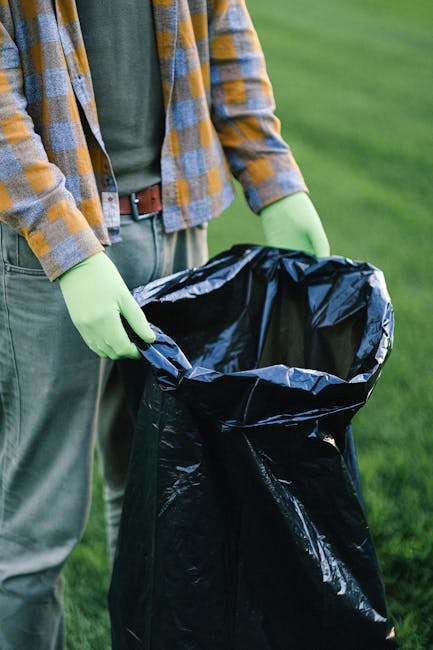
Once sorted, the waste should be contained properly. Heavy bags should not be overfilled. Sharp items should be wrapped or boxed. Long branches are easier to move when bundled. If the garden access is tight, smaller loads are often more sensible than trying to muscle one enormous bag through a narrow side return. No one enjoys that job at 8am on a wet Tuesday.
4. Move waste to its disposal route
At this stage, waste might go to a composting route, a recycling route, or a mixed waste disposal route. The right route depends on what the material is. Clean green waste is the easiest to recover. Mixed rubbish, soil-heavy loads, or broken non-organic items are less straightforward and may need a broader clearance service.
5. Leave the space clear and safe
The best finish is not just empty. It is tidy. Sweep up loose debris, remove nails or wire, and check for anything left behind in borders or under hedges. A quick final walk-through is worth it. You will always spot one stray bag or rogue tangle of roots after you think you are done. Always.
Key Benefits and Practical Advantages
Using a proper disposal plan rather than a "deal with it later" approach has more benefits than people first assume.
- Less mess and less stress: the garden stops feeling half-finished.
- Better recycling potential: green waste is easier to recover when kept separate.
- Safer movement around the property: fewer trip hazards, fewer sharp edges, fewer hidden piles.
- Faster project completion: pruning, landscaping, or clearance work wraps up properly.
- Cleaner kerb appeal: especially useful if you are preparing a property for sale, letting, or guests.
- Lower risk of nuisance: damp waste, flies, and windblown debris are less likely to become a problem.
There is a less obvious advantage too: clear systems stop the waste from multiplying. Once you separate green waste from broken bits and rubbish, the job suddenly feels manageable. That psychological shift matters more than most people admit.
If you are planning a bigger declutter alongside the garden work, services such as home clearance or garage clearance can be useful for handling the extra items that tend to appear once you start digging around the shed and side access.
Who This Is For and When It Makes Sense
This guide is useful for a wide range of people. It is not just for large gardens or full landscaping jobs. In practice, most disposal questions come from very ordinary scenarios.
- Homeowners clearing overgrown borders after a season of neglect
- Landlords or letting agents preparing outdoor space between tenancies
- Flat owners with small patios, shared courtyards, or roof terraces
- People doing a garden makeover and left with mixed rubbish as well as greenery
- Older residents who want the garden cleared without lifting heavy bags
- Busy families who have collected a "temporary" pile that is now permanent
It also makes sense when the job is more than a quick green-bin tidy-up. If the waste includes soil, old fencing, broken garden furniture, or general rubbish, the simple compost-and-bin route may not be enough. In those cases, a more complete approach is often less hassle.
And honestly, if you are standing there wondering whether this is now a two-hour job or a full-day saga, that is usually your sign. The pile has already told you the answer.
Step-by-Step Guidance
Here is a practical way to tackle garden waste and rubbish disposal without turning it into a weekend of frustration.
- Walk the space first. Look at everything that needs to go and note what is green waste, what is rubbish, and what is bulky or potentially sharp.
- Clear the easiest items first. Take away loose bags, small branches, and obvious clutter before touching the heavier stuff.
- Separate reusable materials. Good timber, intact pots, and usable fixtures may have a second life somewhere else.
- Contain the waste properly. Use sacks, tubs, crates, or bundles depending on the material.
- Watch the weight. Soil and wet cuttings are much heavier than they look. Keep loads manageable.
- Plan the exit route. If the only way out is through a narrow passage, sort the route before lifting anything.
- Load and dispose of waste in the right order. Green waste first is often the easiest. Heavy rubble-like material usually needs separate handling.
- Do a final sweep. Check for twine, fixings, glass, nails, and loose debris.
If you would rather not manage the loading, lifting, and disposal yourself, you can compare service details and practical expectations through pricing and quotes. For many people, that is the stage where the decision becomes very straightforward.
Expert Tips for Better Results
Here are the small things that make a surprisingly big difference.
Keep green waste as clean as possible
Try not to mix garden cuttings with household rubbish. Once food packaging, plastic ties, or random broken household items are in the pile, the disposal route usually becomes less efficient. Clean segregation is one of the simplest wins.
Deal with wet waste early
Wet grass and leaf matter is heavy. If a dry pile gets caught in a bit of rain, it can become much harder to move later. If the weather turns, do the disposal sooner rather than later. British weather, as ever, does what it wants.
Break bulky waste down where possible
Old trellis, damaged planters, and broken fencing can often be made easier to remove once dismantled. Just be careful with staples, nails, and splinters. Gloves help, obviously, but they are not a magic shield.
Think about neighbour access and timing
If you share access or live on a tighter Riverside street, avoid blocking pathways with bags or tools. Short, tidy loading sessions are usually better than one large, noisy pile-up on the pavement.
Use a "keep, compost, remove" mindset
This sounds simple, but it works. Ask of each item: can it stay, can it be composted, or does it need to go? That one habit cuts indecision dramatically.
Expert summary: The cleaner your waste is at the start, the easier, safer, and usually more cost-effective the disposal process becomes. Messy mixing is what creates problems later.
Common Mistakes to Avoid
Most disposal headaches come from a few avoidable errors. The good news is that once you know them, they are easy enough to sidestep.
- Overfilling bags: makes lifting dangerous and often causes splits halfway to the gate.
- Mixing green waste with general rubbish: reduces recycling value and complicates removal.
- Ignoring soil weight: a bag that looks fine when empty can become painfully heavy with damp earth.
- Leaving sharp material loose: broken glass, nails, and wire are a real hazard.
- Assuming everything can be composted: diseased plants, treated timber, and contaminated waste need separate treatment.
- Forgetting the final tidy-up: small fragments left behind can undo the whole effort.
One very common mistake is starting with the biggest pile first. That feels heroic, but it usually just creates a bigger mess in the middle of the garden. Start with the bits that give you room. Then the heavy stuff becomes easier to manage.
Tools, Resources and Recommendations
You do not need a shed full of specialist equipment, but the right basic tools make garden waste disposal much smoother.
- Heavy-duty gloves: useful for thorny stems, damp waste, and hidden sharp edges
- Strong sacks or rubble bags: better for mixed light debris and cuttings
- Wheelbarrow or garden trolley: helps with moving loads over short distances
- Pruning loppers and shears: useful for reducing branch size before removal
- Tarpaulin: handy for dragging waste to a collection point and keeping paths cleaner
- Broom and dustpan: for the final sweep, which honestly makes the whole job feel finished
For people handling a larger mixed clearance, it can help to look at related services such as builders waste clearance if the project includes broken paving, soil, or renovation debris, or furniture disposal if old outdoor seating, tables, or worn items need to go as well.
If sustainability matters to you, the recycling and sustainability information is a sensible place to understand how responsible disposal is approached. It is not about being perfect. It is about choosing better routes where you can.
Law, Compliance, Standards, or Best Practice
For garden waste and rubbish disposal in the UK, the main principle is straightforward: waste should be handled responsibly, and it should go to an appropriate disposal route. You do not need to be a legal expert to get this right, but you do need to be sensible.
Good practice usually means:
- keeping waste separated where practical
- avoiding fly-tipping or leaving waste in unsuitable places
- using a properly managed collection or disposal method
- being careful with anything hazardous, sharp, or potentially contaminated
- making sure waste is not left in a way that causes nuisance or obstruction
If you arrange a collection service, it is reasonable to expect clear communication, safe handling, and tidy removal. For anything involving heavier loads, awkward access, or mixed waste, ask questions before the job starts. That is not fussiness. That is just good judgment.
Best practice also means checking whether items are really garden waste at all. A broken barbecue, for example, may be a metal item rather than green waste. Old pressure-treated timber is not the same as untreated branches. Those distinctions matter because they affect how the material should be handled.
Options, Methods, or Comparison Table
There is no single right way to dispose of garden waste. The best choice depends on the quantity, the type of material, and how much time or lifting you want to do yourself.
| Method | Best for | Strengths | Limitations |
|---|---|---|---|
| Home composting | Clean grass cuttings, leaves, small plant matter | Low cost, simple, environmentally friendly | Not suitable for mixed rubbish, diseased plants, or bulky waste |
| Local bin or garden waste collection | Small, regular quantities | Convenient for routine maintenance | Limited capacity and not ideal for large clear-outs |
| Self-haul to a disposal site | People with a vehicle and time | Flexible, useful for a mixed one-off load | Loading, travel, and lifting can be tiring |
| Professional garden clearance | Large, mixed, awkward, or urgent jobs | Fast, tidy, and less physically demanding | Usually chosen for convenience rather than DIY savings |
In real life, people often start by hoping the compost pile will handle everything. Then they discover the broken pots, the old hose, the wet turf, and the bit of rusty trellis. That is usually when a mixed clearance route makes more sense.
Case Study or Real-World Example
Take a typical Riverside garden refresh. The owner has cut back an overgrown hedge, lifted a few tired plants, and found a surprising amount of leftover clutter near the back fence: cracked pots, an old folding chair, a broken plastic storage box, and a pile of damp cuttings. Nothing dramatic, but enough to be annoying.
The first instinct is often to make a few bags and leave the rest for "next weekend". That works until the bags are too heavy, the weather turns, and the cuttings start smelling a bit earthy and stale. A better approach is to sort it in one pass: green waste aside, rubbish separate, bulky bits broken down if possible, and the whole lot removed efficiently.
The difference is immediate. The garden looks larger. The path is clear. The air feels lighter, even if that sounds a touch dramatic. And the person doing the work avoids the slow drip of unfinished jobs that tends to linger for weeks.
That is the real value here. Not just removal, but closure.
Practical Checklist
Use this before you start loading anything up.
- Have you separated green waste from mixed rubbish?
- Have you identified anything sharp, heavy, or awkward?
- Do any items need dismantling before removal?
- Are your bags or containers strong enough for wet waste and soil?
- Is the access route clear from garden to collection point?
- Have you considered whether anything can be reused or composted?
- Have you checked for nails, wire, broken glass, or loose fixings?
- Do you know which items are too bulky or heavy to lift safely alone?
- Have you left enough space to sweep and inspect the area properly?
- Is the final disposal route suitable for the waste you have?
If you want more help choosing a service approach or getting a handle on the practical side of booking, the about us page and contact us page are sensible next stops, especially if you are comparing your options for a mixed clearance.
Conclusion
Twickenham Riverside garden waste and rubbish disposal guide is really about making a garden project finish properly. Once the waste is sorted, the whole space changes. It becomes easier to use, safer to walk through, and much more pleasant to look at from the kitchen window or back step.
The main things to remember are simple: separate waste early, treat wet and heavy material carefully, avoid mixing rubbish with green waste, and choose the disposal method that fits the actual job rather than the idealised one. That last part saves a lot of hassle. Truth be told, most garden clearances are not difficult, just fiddly enough to benefit from a clear plan.
Get a free quote today and see how much you can save.
And if you are standing in the garden at the end of the day with muddy boots, an empty corner where the pile used to be, and that quietly satisfying feeling that the job is finally done, that is a good moment. A proper one.
Frequently Asked Questions
What counts as garden waste in Twickenham Riverside?
Garden waste usually includes grass cuttings, leaves, hedge trimmings, branches, weeds, plants, and similar outdoor material. It can also include soil and turf, although those are heavier and often need more careful handling.
Can I put all garden waste in my green bin?
Only if the quantity fits and the material is suitable. Small routine waste may be fine, but large cut-backs, wet cuttings, branches, or mixed rubbish usually outgrow the bin quickly.
What is the best way to dispose of wet grass cuttings?
Keep them separate, bag them securely, and avoid leaving them in a pile for too long. Wet cuttings become heavy and can go unpleasant fast, especially in warmer weather.
Do I need to separate rubbish from garden waste?
Yes, if you want the disposal process to stay simple and efficient. Mixed rubbish can contaminate recyclable green waste and make the whole load harder to handle.
Can old garden furniture go with garden waste?
Usually not. Items like chairs, tables, and storage boxes are better treated as bulky household items rather than green waste. If you have outdoor furniture to remove, a dedicated disposal route is often more sensible.
What should I do with soil and turf?
Soil and turf are different from lightweight garden clippings because they are much heavier. They often need separate handling, and if the load is large, it is worth planning for that before you start lifting.
Is composting enough for a garden clear-out?
Sometimes, yes. But only for clean organic material. Once you have mixed in rubbish, treated wood, damaged pots, or diseased plant matter, composting alone is not enough.
How do I know if I need professional clearance?
If the waste is bulky, mixed, heavy, awkward to move, or more time-consuming than you can reasonably manage, professional clearance makes sense. It is especially useful when access is tight or the pile has grown beyond a simple tidy-up.
Are there safety risks with DIY garden waste disposal?
Yes. Common risks include cuts from sharp edges, back strain from heavy bags, slips on wet ground, and hidden nails or wire. Gloves and sensible lifting help, but they do not remove the risk entirely.
What is the biggest mistake people make with garden waste?
The biggest one is usually mixing everything together and hoping to deal with it later. That tends to create more work, more mess, and more wasted time than anyone wants.
Can garden waste be recycled?
Much of it can, provided it is kept clean and separate. Green waste is the easiest to recover. Mixed waste, contaminated material, and bulky items need a different route.
How should I prepare before a garden clearance?
Sort the waste into rough categories, clear a path for removal, set aside anything reusable, and make sure any heavy or sharp items are handled safely. A few minutes of preparation usually saves a lot of effort later.