Turning Old Pots and Pans Into Eco-Friendly Materials
Turning Old Pots and Pans Into Eco-Friendly Materials: The Complete UK Guide
That clattering cupboard of mismatched lids, scuffed frying pans, and dented stock pots? It's not just clutter--it's a quiet opportunity. Turning old pots and pans into eco-friendly materials is one of those small, practical acts that delivers surprisingly big results. Less landfill. More metal back in circulation. A cleaner kitchen, a lighter conscience. And, to be fair, a little extra space feels pretty fantastic.
In this expert-led guide, we'll walk you through exactly how to recycle, rehome, or upcycle cookware--aluminium, stainless steel, cast iron, copper, and even non-stick. We'll cover the standards, the UK legal context, the science of energy savings, and the hands-on steps (like removing handles and sorting metals) that help you get it right first time. If you've ever wondered whether your scratched non-stick pan can be recycled, or if that old cast iron could live a second life, you're in the right place.
Ever tried clearing a kitchen drawer and found yourself keeping everything "just in case"? Yeah, we've all been there. Let's make it easier--and greener.

Table of Contents
- Why This Topic Matters
- Key Benefits
- Step-by-Step Guidance
- Expert Tips
- Common Mistakes to Avoid
- Case Study or Real-World Example
- Tools, Resources & Recommendations
- Law, Compliance or Industry Standards (UK-focused)
- Checklist
- Conclusion with CTA
- FAQ
Why This Topic Matters
Turning old pots and pans into eco-friendly materials isn't just a neat trick--it's a direct way to support the circular economy. Metals are uniquely recyclable, often infinitely, without losing quality. When you recycle a stainless steel saucepan or an aluminium frying pan, you're cutting down on raw material extraction and the energy required to manufacture new items. That's not theoretical; it's measurable.
- Aluminium: Recycling aluminium saves up to 95% of the energy required to produce it from raw bauxite (UK Aluminium Federation and industry data consistently cite this figure).
- Steel: Recycling steel typically saves around 60-74% of energy versus virgin production (World Steel Association figures).
- Copper: Copper recycling commonly saves about 85% of energy compared to primary production (reported by international copper industry sources).
In everyday terms: a typical 5 kg set of aluminium cookware reintroduced into the system can save roughly 60-70 kWh of energy. That's a month of boiling kettles in a busy tea-loving home. And it reduces CO2 emissions too. You'll notice it the next time you read about energy grids in winter--your old pan literally helps lighten the load.
There's also the practical side. Kitchens evolve. Non-stick coatings age. Lids go missing (it's a mystery). Rather than binning the lot, you can feel good about recovering value, or even pass a still-useful pan on to someone starting out. One small step, multiplied across millions of UK households, is a very big deal.
Quick story: a client told us she could "almost hear" her cupboard breathe when the old cookware finally left for recycling. Clean, clear, calm. That's the goal.
Key Benefits
- Significant carbon savings: Recycling metals slashes energy use. Less energy equals fewer emissions.
- Conservation of natural resources: Every recycled pan means less ore mined and less habitat disrupted.
- Cost efficiency: Households often recycle for free at local Household Waste Recycling Centres (HWRCs). Businesses can reduce disposal costs by segregating metals and may earn rebates from scrap buyers.
- Declutter without regret: No more guilt-driven hoarding. That wobbly-handled frying pan still has value.
- Supports the UK circular economy: Encourages local jobs and robust, resilient supply chains.
- Health and safety: Removing damaged non-stick pans can reduce potential PFAS exposure in your home. Just don't burn off coatings--more on that later.
- Community benefit: Usable pots and pans can be donated to charities, refugee support groups, and student starter kits.
To be fair, the benefits stack up quickly. And you'll feel lighter--mentally and literally--when that cupboard finally closes properly.
Step-by-Step Guidance
This section shows you how to move from a pile of old cookware to eco-friendly outcomes--reuse, recycling, or safe disposal--without fuss.
1) Sort and Assess: Reuse vs Recycle
- Check condition: If a pan is structurally sound (flat base, secure handle), consider donating it. Small scratches aren't the end of the world for many users.
- Hygiene note: Give it a good wash. Charities and reuse schemes appreciate clean items.
- Non-stick wear: If the coating is heavily flaking or bubbling, avoid reuse. Move to recycling.
Micro moment: It was raining hard outside that day; the windows steamed as the kettle boiled. We wiped an old stainless pot, and honestly, it looked ready to help someone else cook their first pasta in a new flat. Lovely.
2) Identify Your Materials
- Aluminium: Lightweight, often non-magnetic. Common in non-stick frying pans. If it feels light for its size, likely aluminium.
- Stainless steel: Heavier, sometimes magnetic (depends on grade). Durable and shiny; often used in saucepans.
- Cast iron: Very heavy, matte black; can be enamelled. Magnetic, robust, excellent for reuse if not cracked.
- Copper: Distinctive reddish tone; often layered or clad. Usually premium cookware.
- Glass lids and plastic handles: Separate these where possible. Metal recyclers prefer clean metal streams.
Quick test: Use a fridge magnet. If it sticks firmly, you've likely got a ferrous metal (steel or cast iron). If not, it could be aluminium or copper.
3) Prepare the Pans
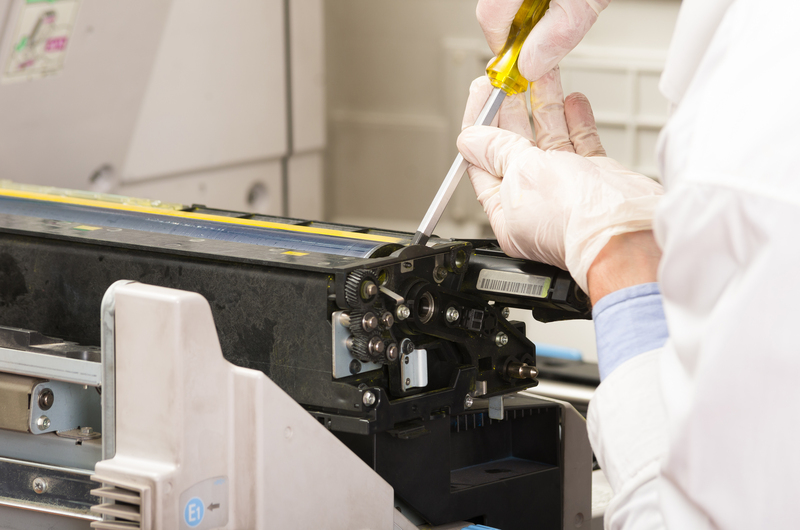
- Remove non-metal parts: Unscrew plastic or wooden handles and knobs using a screwdriver. Pliers help. Keep screws in a jam jar to avoid toe-stabbing later.
- Separate lids: Glass lids usually go with glass recycling if your local authority accepts them (some don't--check first). Metal lids can be recycled with metals.
- Don't worry about perfection: A light wash is enough. Heavy scrubbing wastes water and isn't required for metal recycling.
Do not burn off coatings. It's unsafe and illegal in many contexts due to toxic fumes. More on compliance soon.
4) Choose the Right Route
- Reuse: Donate to local charities, Freegle/Freecycle, Olio, Gumtree, or student housing groups. Good pans deserve a second round.
- Recycle at HWRC: Most UK Household Waste Recycling Centres accept cookware in the "Metals" stream. Check your council site. Bring ID if required.
- Kerbside?: Some councils accept small metal items in the mixed recycling bin; many do not accept bulky cookware kerbside. Verify before you put them out.
- Scrap metal dealer: For larger quantities (e.g., from a catering business), a licenced scrap yard may offer a rebate for segregated metals. Aluminium and copper are typically more valuable than mixed ferrous metals.
Truth be told, HWRCs are the simplest route for most households. In our experience, you'll be done in ten minutes once you're parked up.
5) Special Handling: Non-Stick Pans
Most non-stick pans use PTFE (often called Teflon). While PTFE itself isn't easily recycled, the metal body often can be. Policies vary by facility:
- Ask first: Some HWRCs accept the whole pan; others prefer you remove plastic handles and any loose coating flakes.
- No heat treatment: Never heat or burn pans to remove coatings. It releases hazardous fumes.
- If refused: Seek a metals recycler that accepts mixed-metal cookware or a specialist scheme (often run by councils or reuse nonprofits).
6) For Businesses and Caterers
- Segregate metals: Keep aluminium, stainless steel, and copper separate for better rebates.
- Weigh on-site: Use a calibrated scale; track weights by material type to benchmark future savings and revenue.
- Documentation: Keep Waste Transfer Notes and any receipts for your environmental audits or ISO 14001 objectives.
Ever watched a chef reluctantly part with a battered saute pan that survived a hundred Saturday-night services? It's sentimental. But it's also a small win when that pan becomes part of tomorrow's steel.
Expert Tips
- Magnet test for value: Non-magnetic pans are often aluminium or copper--materials that can fetch more at scrap. Sort these aside.
- Don't over-clean: A quick rinse is fine. Remove food residue, not the patina of life. Water is precious.
- Reuse before recycle: A well-made stainless or cast iron pan can be re-seasoned and donated. The greenest pan is the one still in use.
- Cast iron rescue: Rusty? Scrub with steel wool, rinse, dry thoroughly, and season with a thin layer of oil in a warm oven. Avoid if it's cracked.
- Ask for prices: If visiting a scrap yard, call ahead. Ask for rates for "clean aluminium" vs "mixed metals". You might leave pleasantly surprised.
- Batch your trips: Combine metals with other drop-offs (electronics, batteries) to save time and mileage. Little efficiencies add up.
- Label for donation: A small note--"Works well, just upgrading"--helps a charity shop volunteer place it faster.
- Safety kit: Wear gloves when removing handles. Edges can be sharp, screws are stubborn, and we like your fingers.
Small aside: you could almost smell the cardboard dust in the air the last time we boxed up donations. It felt good, oddly calm.
Common Mistakes to Avoid
- Putting cookware in general waste: Metals are too valuable to bury. Don't do your future self (or the planet) like that.
- Burning off coatings: Dangerous and potentially illegal due to toxic fumes and smoke. Never do this.
- Leaving mixed materials attached: Plastic handles and glass lids can contaminate a metal batch. Take a few minutes to separate.
- Assuming kerbside rules: Many councils don't accept bulky metal items kerbside. Check before you chuck.
- Over-scrubbing: Don't waste water or elbow grease. Recyclers prefer clean metal, not polished museum pieces.
- Ignoring resale: High-end copper or brand-name cast iron often has a resale market even if it looks tired.
- For businesses: no paperwork: Skipping Waste Transfer Notes or licensed carriers can lead to fines and audit headaches.
Ever held onto a pan with a loose handle "just in case"? Let it go. New life awaits it--just not in your cupboard.
Case Study or Real-World Example
Setting: A third-floor flat in North London. Drizzle outside, the hum of buses. Maria and Tom were upgrading to induction-friendly cookware and staring at a pile: three scratched non-stick frying pans, two stainless saucepans, one cracked glass lid, and a cast iron skillet with a touch of rust.
What they did:
- Sorted items into reuse and recycle. The stainless pans? Solid. Donated to a local community kitchen.
- Removed plastic handles from the non-stick pans, wiped them down, and checked the council website. Their local HWRC accepted "cookware/metal items" but not glass lids--so the cracked lid went into general waste as per guidance (some centres take them, theirs didn't).
- De-rusted the cast iron skillet with steel wool, re-seasoned it in a warm oven, and kept it. Budget win.
- Batch trip: Dropped the non-stick pans and a small bag of mixed metals at the HWRC; donated the stainless pans on the way back (less than an hour, door to door).
Results: Two usable pans back in circulation, three pans recycled into future metal stock, one skillet reborn, and a calmer kitchen. They measured the aluminium weight at ~2.5 kg; the likely energy saving from recycling alone was ~33 kWh. Not bad for a Sunday afternoon.
They laughed about the cupboard "finally shutting without a shoulder-barge." You'll know that feeling.
Tools, Resources & Recommendations
Basic Tools
- Flathead and Phillips screwdrivers
- Adjustable pliers
- Work gloves (cut-resistant if you have them)
- Fridge magnet (material test)
- Old towel or mat (protects your worktop)
- Optional: digital kitchen scale (to weigh metals for scrap or impact tracking)
Useful UK Resources
- Recycle Now - check local council rules for metal recycling and HWRC locations.
- WRAP (Waste & Resources Action Programme) - guidance on the waste hierarchy and circular economy.
- British Metals Recycling Association (BMRA) - find compliant metal recyclers.
- GOV.UK: Duty of Care (household) - how to dispose responsibly.
- GOV.UK: Waste Duty of Care Code of Practice (business) - requirements for waste transfer.
- Freecycle/Freegle and Olio - easy routes to rehome usable pans.
- UK Aluminium Federation (ALFED) - data on aluminium recycling benefits.
- World Steel Association - energy saving stats for steel recycling.
Tip: Ring your HWRC before you go if you're unsure about non-stick acceptance. Saves a second trip and a small sigh.
Law, Compliance or Industry Standards (UK-focused)
Whether you're a householder or a business, it pays to align with UK rules. It's simple, and it protects you.
- Waste Hierarchy (embedded in UK law via the Waste (England and Wales) Regulations 2011): Prevent > Reuse > Recycle > Recovery > Disposal. Always try reuse before recycling.
- Duty of Care (Code of Practice): Households must use council services or licensed carriers. Businesses must ensure waste is transferred to authorised persons and keep records.
- Scrap Metal Dealers Act 2013: Dealers must be licensed; payments are cashless; proof of ID is required. This protects against theft and ensures traceability.
- Environmental Permitting Regulations 2016: Recycling facilities need appropriate permits--ask your recycler for permit details if you're a business customer.
- EWC codes (European Waste Catalogue, used in the UK): Common codes for cookware metals include 20 01 40 (metals - municipal), 17 04 02 (aluminium), 17 04 05 (iron and steel). Businesses should classify waste properly on transfer notes.
- Chemicals and coatings: UK REACH regulates chemical safety. Don't attempt to remove non-stick coatings with heat or solvents; use authorised recycling channels.
- Standards context: Stainless grades are covered by BS EN 10088; environmental management by ISO 14001, which many metal recyclers adopt. You don't need these to recycle, but they show a recycler's maturity.
For electrical items (e.g., electric frying pans, pressure cookers with electronics), the WEEE Regulations apply--use WEEE collection points or retailer take-back. Different stream, different rules.
Checklist
Households
- Gather old pots, pans, and lids; decide reuse vs recycle.
- Remove plastic/wood handles and separate glass lids.
- Magnet test to identify metals (optional but handy).
- Check your council's HWRC or kerbside policy.
- Donate usable items; recycle the rest in the metals stream.
- Never burn coatings; avoid risky DIY "stripping".
- Batch your trip with other recyclables to save time.
Businesses and Caterers
- Segregate metals: aluminium, ferrous (steel/cast iron), and copper separately.
- Use a licensed waste carrier or BMRA member recycler.
- Complete Waste Transfer Notes with correct EWC codes; keep for at least two years.
- Weigh outgoing materials for KPI tracking and rebate checks.
- Incorporate cookware turnover into your ISO 14001 or CSR metrics.
One line to remember: simple steps, solid impact. You'll see why after your first run.
Conclusion with CTA
Turning old pots and pans into eco-friendly materials is refreshingly achievable. You don't need specialist kit or a free weekend--just a screwdriver, a quick plan, and the will to do right by your kitchen and the planet. From energy savings to decluttered cupboards, the benefits arrive fast. And there's something quietly satisfying about knowing your scuffed pan might become part of a new bike frame, a bridge, or the next generation of cookware.
So, next time you open that rattly cupboard and a lid makes a bid for freedom, take it as your sign. Sort. Separate. Reuse what you can, recycle the rest. Future you--future us--will appreciate it.
Get a free quote today and see how much you can save.
And breathe. A little lighter, a little clearer. That's enough for today.
FAQ
Can non-stick pans be recycled in the UK?
Often, yes. Many HWRCs accept non-stick cookware in the metals stream, especially if you remove plastic handles. Policies vary by council--check before you go. Never burn coatings to remove them.
Do I need to remove handles and lids before recycling?
It helps. Remove plastic or wooden handles and separate glass lids where possible. Clean metal streams are easier to process and are more likely to be accepted without fuss.
Is there any money in recycling old pots and pans?
For households, usually not much. For businesses with volume (e.g., aluminium batches), a licensed scrap dealer may offer a rebate. Aluminium and copper typically have better value than mixed ferrous metals.
How do I tell if my pan is aluminium or steel?
Use a magnet. If it sticks strongly, it's likely steel or cast iron. If it doesn't, you might have aluminium or copper. Aluminium is noticeably lighter than steel.
Can I donate scratched pans?
Lightly scratched but safe cookware can be donated; heavy flaking non-stick should not. Stainless steel and cast iron in good condition are great donation candidates.
What should I do with cracked glass lids?
Some councils accept toughened glass, but many don't. Check the local guidance. If not accepted, wrap the cracked lid carefully and dispose of it in general waste.
Is it safe to refurbish old cast iron?
Yes. Remove rust with steel wool, wash, dry thoroughly, and season thinly with oil in a warm oven. Don't use cracked cast iron--it can fail under heat.
Can I put pots and pans in the kerbside recycling bin?
Usually no for bulky cookware. Some councils allow small metal items kerbside but not larger pans. Most prefer you take cookware to the HWRC metals section.
Are non-stick coatings hazardous?
Old or heavily damaged PTFE coatings can flake. While everyday use is generally considered safe within manufacturer guidelines, avoid high heat misuse and don't attempt to burn off coatings. Recycle responsibly.
Do businesses need paperwork to recycle cookware?
Yes. Businesses must comply with Duty of Care. Use licensed carriers, complete Waste Transfer Notes with correct EWC codes, and retain records for at least two years.
What about electric cookware or multi-cookers?
Those fall under WEEE (Waste Electrical and Electronic Equipment). Use WEEE collection points, retailer take-back, or HWRC electrical recycling--not the metals skip.
Should I clean pans before recycling?
A quick rinse to remove food residue is enough. No need for deep cleaning or polishing. Recyclers prefer dry, reasonably clean metal.
Can I recycle enamelled or copper-clad pans?
Yes, generally. Separate any removable parts. The metal core (steel, cast iron, copper) is typically recoverable. Acceptance varies; ask your recycler if unsure.
Is burning off non-stick or paint ever okay?
No. It releases hazardous fumes and can breach local laws. Use mechanical removal (unscrewing handles) only, or hand the whole pan to a facility that accepts it.
What if my council won't take non-stick pans?
Try a different nearby HWRC, a BMRA-member metal recycler, or a reuse charity for intact pans. You can also ask your council about upcoming changes--policies do evolve.
Can cookware be upcycled instead of recycled?
Absolutely. Old pots make planters; lids become quirky wall art; cast iron can become a small outdoor grill top. If you go crafty, be safe with edges and coatings.
Any quick way to estimate the impact of recycling my pans?
As a rough guide: every kilogram of recycled aluminium can save ~13 kWh of energy. Weigh your pans on a kitchen scale to estimate total savings.
Turning Old Pots and Pans Into Eco-Friendly Materials is more than a tidy-up. It's a simple, human choice that supports a smarter, cleaner UK. Step by step, drawer by drawer. One pan at a time.